Skip to content
Not Potatoes

More Like Carrots

  • Home
  • Contact Us
  • Legal
  • Medical Disclaimer
  • Home
  • Contact Us
  • Legal
  • Medical Disclaimer
  • facebook
  • twitter
  • youtube
Contact Us
Home » Animals & Pets » Dog Health
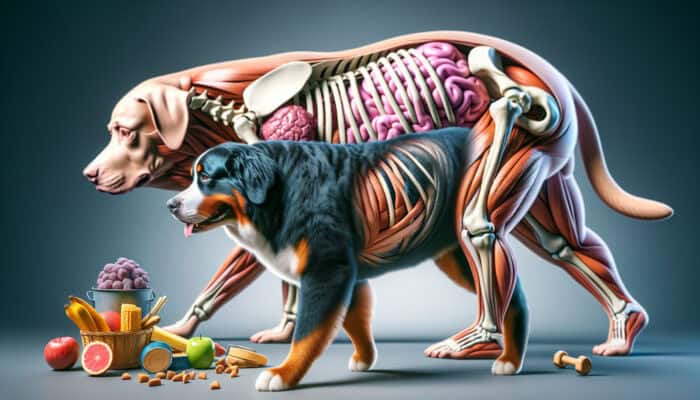
Essential Tips for Joint Support in Bernese Mountain Dogs
Posted inAnimals & Pets Dog Health

Essential Tips for Joint Support in Bernese Mountain Dogs

Posted by By Not Potatoes December 3, 2025
Effective Joint Health Optimization Techniques for Bernese Mountain Dogs Understanding Contributing Factors to Joint Issues…
Read More
Effective Motion Sickness Remedies for Dogs
Posted inAnimals & Pets Dog Health

Effective Motion Sickness Remedies for Dogs

Posted by By Not Potatoes November 12, 2025
Comprehensive Guide to Understanding and Managing Motion Sickness in Dogs Identifying the Primary Causes of…
Read More
Cognitive Decline in Dogs: Key Signs to Recognize
Posted inAnimals & Pets Dog Health

Cognitive Decline in Dogs: Key Signs to Recognize

Posted by By Not Potatoes October 21, 2025
Recognizing Early Signs of Cognitive Decline in Dogs Key Symptoms Indicating Your Dog May Be…
Read More
Categories
Random Posts
  • First-Time Buyer Guide to Avoid Mistakes in PietermaritzburgFirst-Time Buyer Guide to Avoid Mistakes in Pietermaritzburg
  • Cost of Living Expectations in San Miguel de AllendeCost of Living Expectations in San Miguel de Allende
  • Aluminium vs. Steel: Choosing the Best Scaffold for Your ProjectAluminium vs. Steel: Choosing the Best Scaffold for Your Project
  • Sewer Repair Services: Expert Solutions in RichmondSewer Repair Services: Expert Solutions in Richmond
Our Sponsors

Jane Stevens Nutritionist

Random Posts
  • Rosemary Benefits for Hair Strength in the UKRosemary Benefits for Hair Strength in the UK
  • Adaptogens for Energy Boosts and Natural Fatigue RemediesAdaptogens for Energy Boosts and Natural Fatigue Remedies
UltraBoom Playlist
Copyright 2025 — Not Potatoes. All rights reserved. Bloglo WordPress Theme
Scroll to Top

Table of Contents

×
  • Effective Joint Health Optimization Techniques for Bernese Mountain Dogs
    • Understanding Contributing Factors to Joint Issues in Dogs
    • The Importance of Early Detection in Managing Joint Problems
    • Strategies for Effectively Monitoring Your Dog’s Joint Health
  • Expert Recommendations for Promoting Joint Health in Bernese Mountain Dogs
    • Veterinary Insights for Maintaining Optimal Joint Health
    • Essential Nutritional Components for Joint Health
    • Optimal Exercise Types for Joint Support
    • Beneficial Supplements for Joint Health Support
    • Effective Monitoring and Management of Your Dog’s Joint Health
  • Exploring Dietary Supplements for Enhanced Joint Health
    • Identifying Effective Supplements for Joint Support
    • Guidelines for Choosing the Right Supplement for Your Dog
    • Incorporating Supplements into Your Dog’s Diet Effectively
  • Importance of Exercise and Physical Activity for Joint Health
    • Beneficial Exercise Types for Joint Health Support
    • Determining the Necessary Amount of Exercise for a Healthy Dog
    • Preventing Joint Strain During Exercise
  • Understanding the Impact of Weight Management on Joint Health
    • Determining the Optimal Weight Range for Bernese Mountain Dogs
    • Steps to Achieve and Maintain a Healthy Weight
    • Influence of Diet on Weight Management
  • Recognizing Warning Signs of Joint Problems in Dogs Identifying Early Symptoms of Joint Issues Recognizing early symptoms of joint problems in your Bernese Mountain Dog is critical for timely intervention. Common early indicators include limping, reluctance to move, and stiffness, particularly after periods of rest. If your dog shows signs of discomfort when climbing stairs or struggles to rise from a lying position, these may indicate underlying joint issues. Early detection is essential, as it allows for more effective management and treatment options. Being observant and keeping a journal of any changes in your dog’s behavior can help you identify patterns that may signal emerging joint problems. For instance, if your typically energetic dog suddenly becomes lethargic or loses interest in play, it is vital to investigate further. Engaging with your veterinarian regarding any observed changes ensures that potential issues are addressed promptly, improving the likelihood of successful treatment and better outcomes for your cherished Bernese Mountain Dog. When to Seek Veterinary Care for Joint Issues Understanding when to seek veterinary assistance for your Bernese Mountain Dog is essential for their health and well-being. If you notice persistent signs of discomfort, such as limping or difficulty moving, it is crucial to consult your veterinarian. Delaying veterinary care can lead to exacerbated joint issues, compounded pain, and increased treatment complexities in the future. In addition to persistent symptoms, changes in your dog’s eating or drinking habits, unexplained weight loss, or unusual behavior should also prompt a visit to the vet. Ensuring that your dog receives regular check-ups can help identify issues before they escalate. Early veterinary intervention can lead to more effective treatment options, allowing your Bernese Mountain Dog to maintain a higher quality of life. Distinguishing Between Joint Issues and Other Health Problems Distinguishing between joint problems and other health concerns in Bernese Mountain Dogs can sometimes be challenging. Joint issues often exhibit specific symptoms such as stiffness, limping, or reluctance to engage in physical activity. However, these symptoms can also resemble those caused by muscle strains or injuries, making it essential to assess the situation carefully. Observing your dog’s behavior during various activities can provide valuable clues. For instance, if your dog limps primarily after vigorous play but returns to normal after resting, it may suggest a muscle strain rather than a joint issue. Consulting with your veterinarian will help clarify the diagnosis, enabling the development of an appropriate treatment plan. Understanding these distinctions is vital for ensuring your dog receives the right care at the right time, facilitating a swift recovery and better long-term outcomes. Current Research Insights on Joint Support for Bernese Mountain Dogs
    • Research Findings on Joint Health
    • Long-Term Benefits of Joint Care
    • Emerging Trends in Joint Health Research
  • Holistic Techniques for Supporting Joint Health
    • Holistic Approaches for Joint Health Enhancement
    • Combining Holistic and Traditional Care Effectively
    • The Importance of Mental Health in Joint Care
    • Advantages of Yoga for Joint Health
  • Proven Strategies for Joint Support in Bernese Mountain Dogs
    • Established Methods for Supporting Joint Health
    • Developing a Personalized Health Plan for Your Dog
    • Monitoring and Adjusting Your Dog’s Health Plan Effectively
    • The Role of Supplements and Medications in Joint Health
    • Commonly Asked Questions about Joint Health in Dogs
      • What Are Common Joint Issues in Bernese Mountain Dogs?
      • How Can I Tell If My Bernese Mountain Dog Is in Pain?
      • What Diet Is Best for Promoting Joint Health?
      • Is Exercise Vital for Joint Health?
      • How Do I Effectively Manage My Dog’s Weight?
      • What Supplements Are Recommended for Joint Support?
      • How Often Should I Schedule Veterinary Visits for My Dog?
      • Can Holistic Methods Aid in Joint Health?
      • What Are the Signs of Arthritis in Dogs?
      • How Can I Incorporate Supplements into My Dog’s Diet?
    • Connect with us on Facebook!
→ Index